


November 2020
Brown envelopes at dawn
November/2020/
My friend Tom used to say to me:
"Y'know what the problem is with you procurement people, Paul?"
"No, Tom, tell me what is the problem with procurement people?"
"You're too scared to negotiate. Instead your weapon of choice is the RFP"
"Weapon of choice?"
"Brown envelopes at dawn. Why not just have a conversation?"
There may be many reasons why procurement people want a governance trail instead of deals done in coffee shops or on the golf course. In the public sector the rationale is obvious. The need for probity implies transparency of decision making, requiring a written record. But even in the private sector there is something to be said for requiring the salesperson to commit their promises in writing.
The most obvious benefit is that promises in writing are easier to enforce. But they are also easier to evaluate, to syndicate to others and to translate into a contract. So when you see this research from Proposify, what are we to make of the negotiation process?
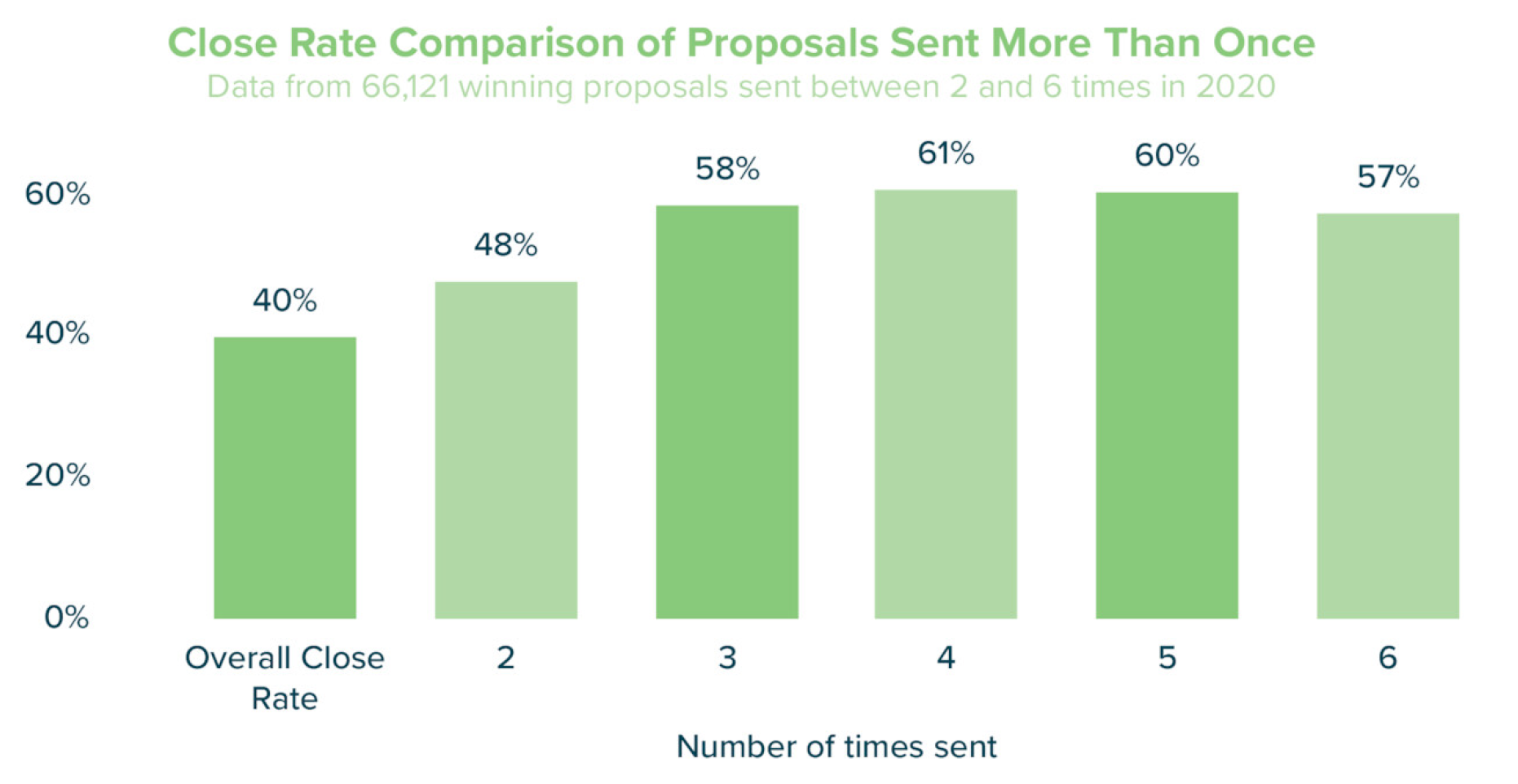
Source: Proposify
The take aways?
So when Tom implied that brown envelopes at dawn are an alternative to a conversation, perhaps that was a false dichotomy. Perhaps each proposal is a platform for a different conversation?
"Y'know what the problem is with you procurement people, Paul?"
"No, Tom, tell me what is the problem with procurement people?"
"You're too scared to negotiate. Instead your weapon of choice is the RFP"
"Weapon of choice?"
"Brown envelopes at dawn. Why not just have a conversation?"
There may be many reasons why procurement people want a governance trail instead of deals done in coffee shops or on the golf course. In the public sector the rationale is obvious. The need for probity implies transparency of decision making, requiring a written record. But even in the private sector there is something to be said for requiring the salesperson to commit their promises in writing.
A verbal contract isn't worth the paper its written on!
The most obvious benefit is that promises in writing are easier to enforce. But they are also easier to evaluate, to syndicate to others and to translate into a contract. So when you see this research from Proposify, what are we to make of the negotiation process?
Source: Proposify
The take aways?
- A proposal that doesn't 'hit the mark' first time isn't the end of the World.
- Clients may change their minds or request revision to a proposal that is not quite acceptable
- If a client is interested enough to request a revision to the proposal it is a strong buying signal
- If a client is interested enough to request a couple of revisions, the chance of winning grows to better than even
- Multiple proposals are a symptom; what they evidence is an ongoing conversation between the prospect and the sales team
So when Tom implied that brown envelopes at dawn are an alternative to a conversation, perhaps that was a false dichotomy. Perhaps each proposal is a platform for a different conversation?